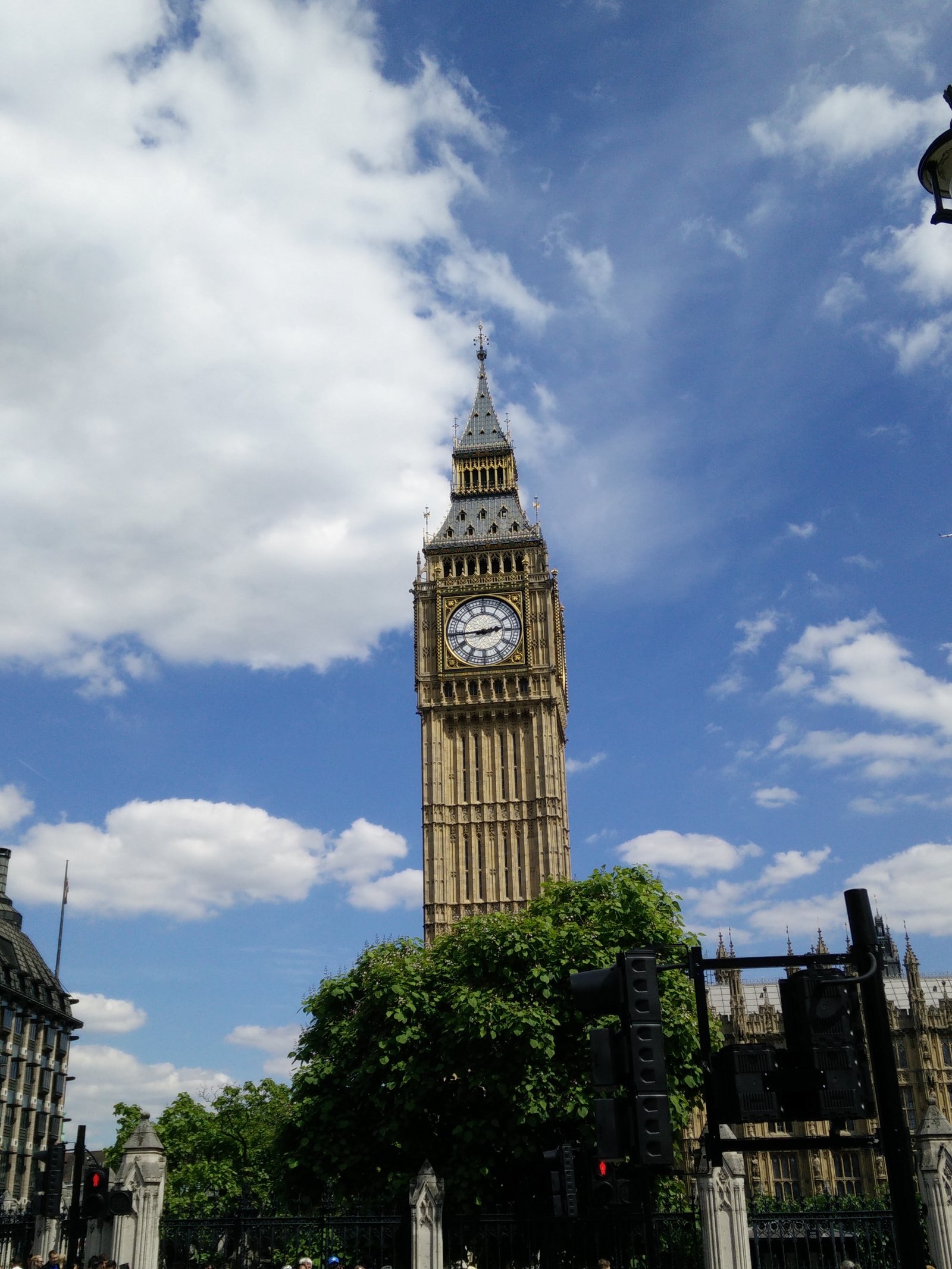
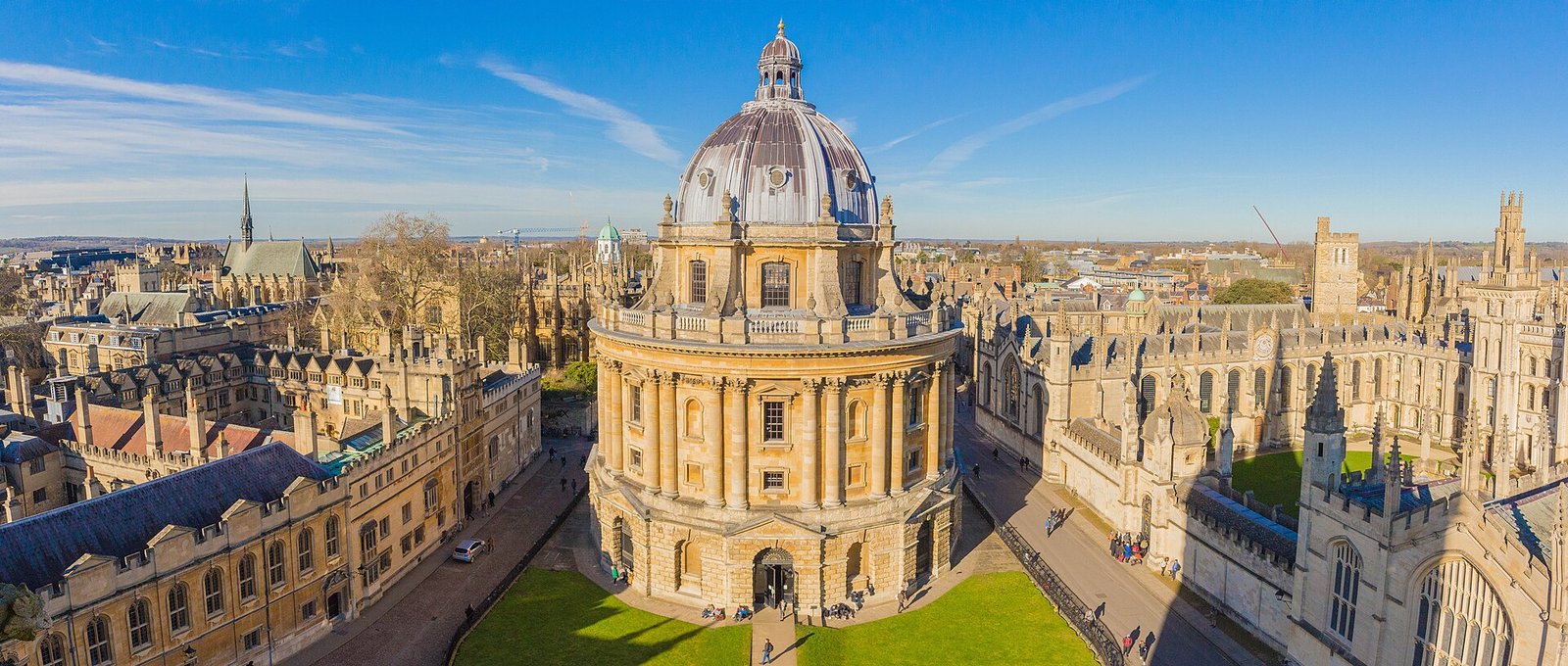
Oxford, England
University of Oxford
A globally recognised research university with a collegiate academic structure and a wide range of undergraduate and postgraduate study.
Official website ↗

Explore Bachelor’s, Master’s and PhD routes, leading universities, UCAS and direct applications, Student visa planning and the post-study Graduate route — all in one practical UK study guide.
*Subject to Student visa conditions and the exact course/sponsor. Financial figures are current guidance and can change.
UK guidance
UK admissions are institution- and programme-led. The strongest plan connects your academic profile, course choice, application route, funding and visa requirements from the beginning.
Study routes
Bachelor’s, Master’s and PhD applications are assessed differently. Use the selector below to understand the key planning points.
Undergraduate route
Class XII or an accepted equivalent qualification, with the required grades for the chosen course.
Subject prerequisites can be important for areas such as engineering, medicine, computing, economics and science.
English-language evidence depends on the university and course; accepted tests and score thresholds vary.
Most UK undergraduate applications are made through UCAS, although some courses and institutions have additional requirements.
For competitive universities and courses, academic profile, subject choices and predicted/final grades all matter.
India → UK
A university offer is only one part of the journey. We structure the route so your course choice, finances, CAS and Student visa preparation are considered together.
Get a UK Profile Review →Universities
The UK has hundreds of higher-education institutions and thousands of courses. Entry requirements, tuition, location and career outcomes can differ significantly between programmes.
A globally recognised research university with a collegiate academic structure and a wide range of undergraduate and postgraduate study.
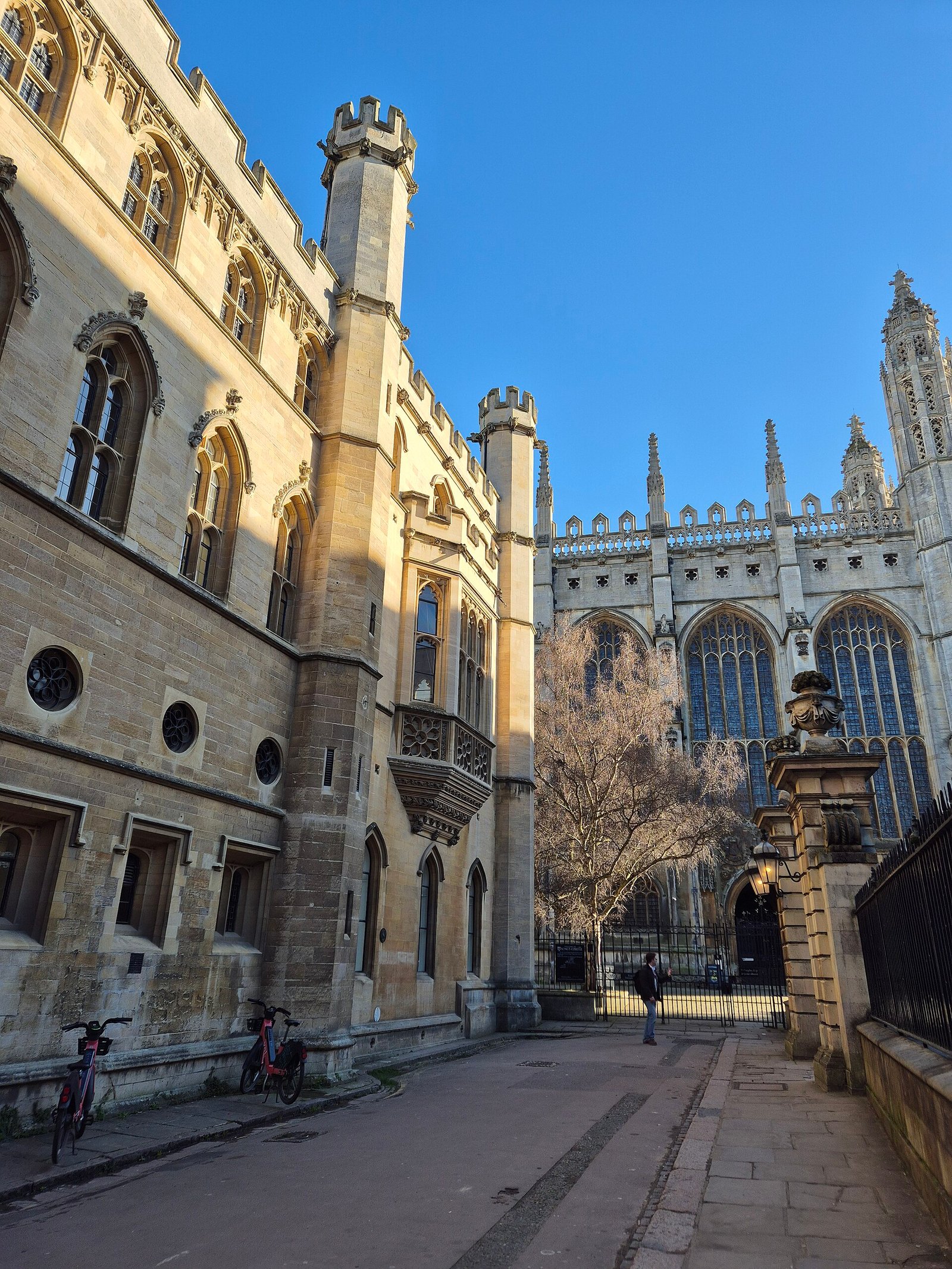
A historic research university known for intensive academic study, collegiate life and a broad international community.
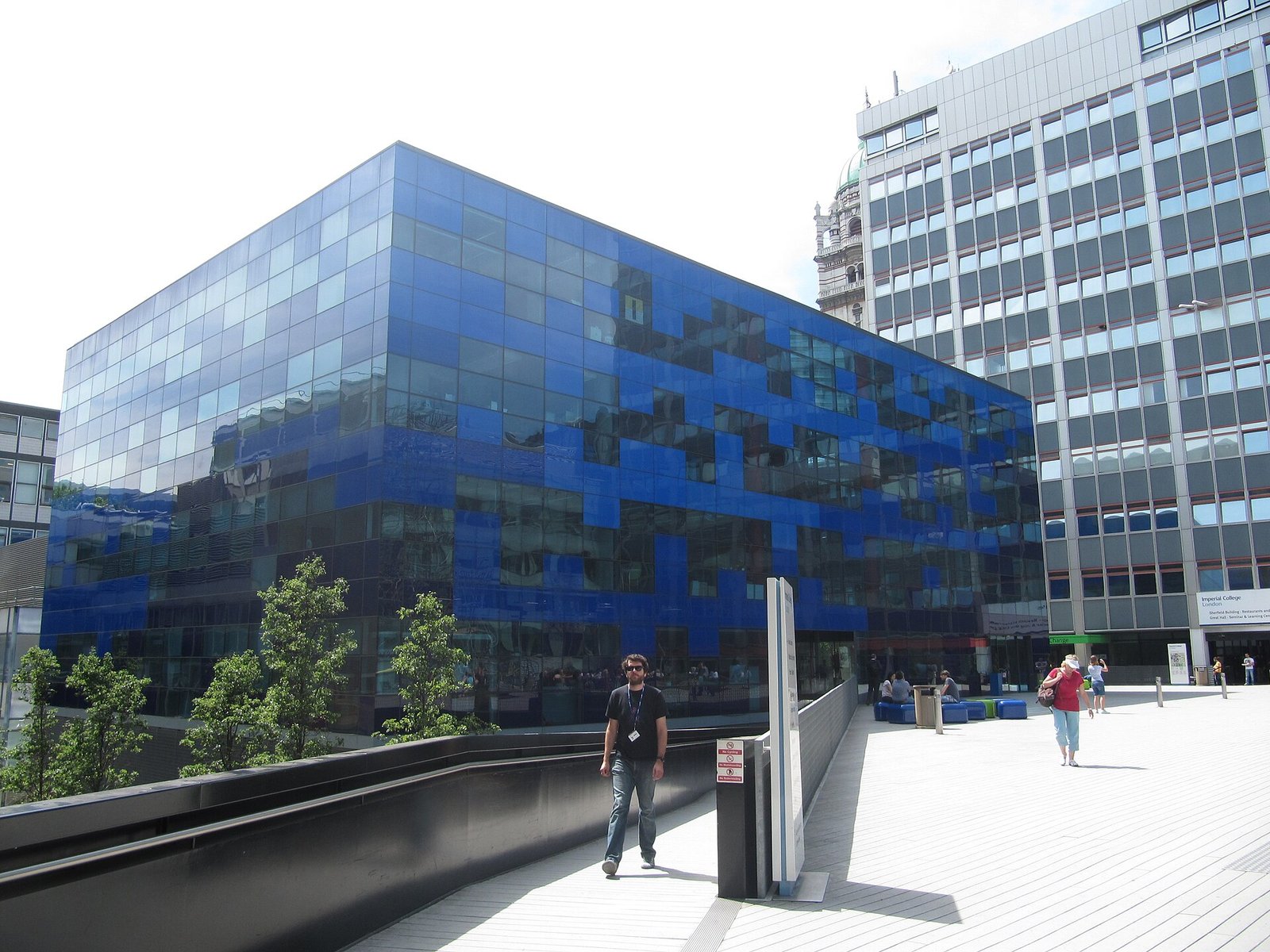
A science, engineering, medicine and business-focused university based around a major South Kensington campus.

A major multidisciplinary research university with a central London campus and a large international student population.
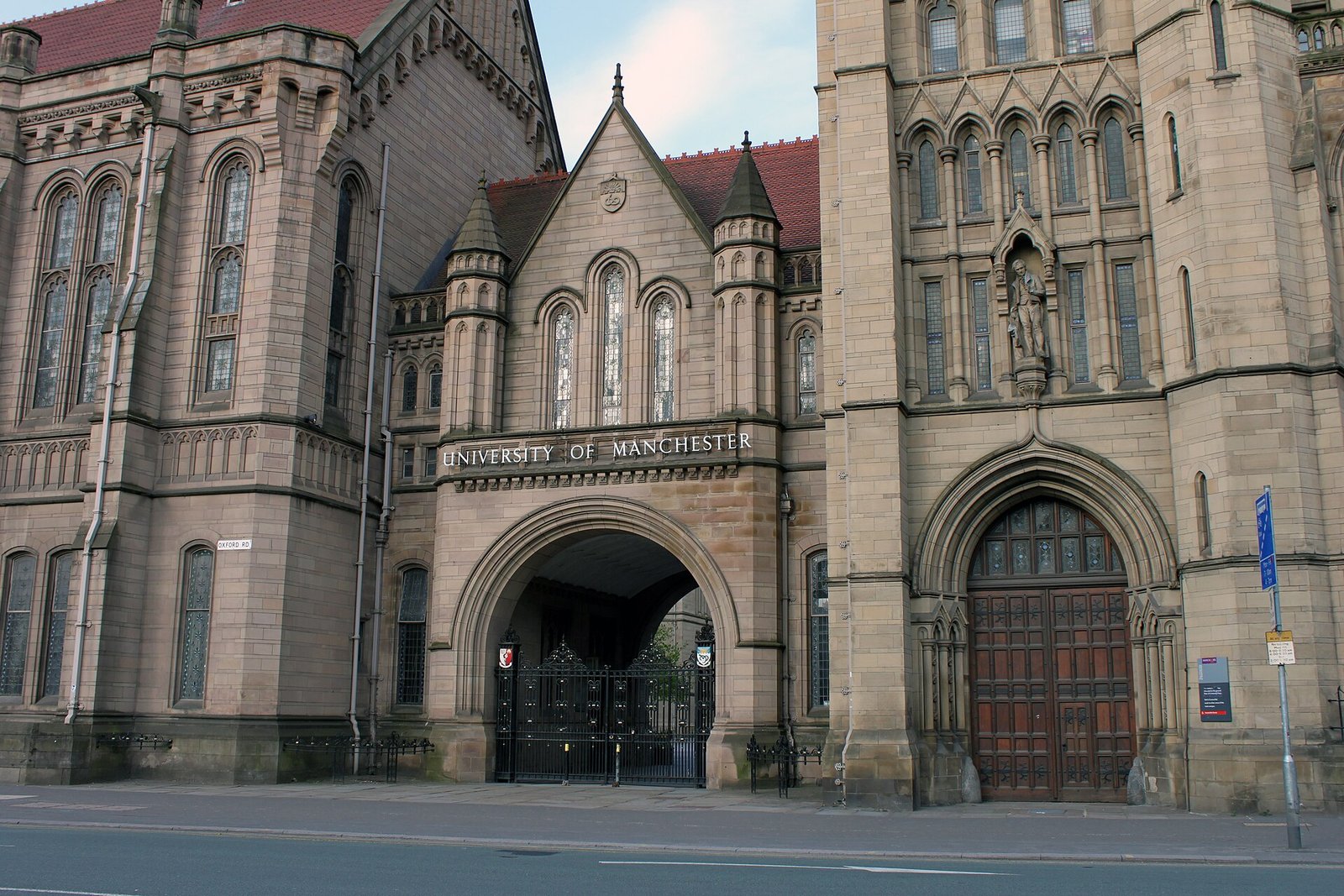
A large research university with extensive subject choice, strong research activity and a major city-centre campus.

One of Scotland's ancient universities, offering a broad portfolio of undergraduate, postgraduate and research programmes.
Use the university's own course page for final entry requirements, fees, deadlines and programme-specific conditions.
Application process
The exact route varies by level and institution, but a disciplined sequence helps prevent avoidable delays.
Review your academics, subject background, English level, budget and preferred intake.
Match your profile with realistic courses, universities, locations and entry requirements.
Decide the application route, documents, references, personal statement and deadlines.
Prepare and submit the application through UCAS or the university's own portal, as applicable.
Track conditional or unconditional offers and help you understand the conditions.
After the required conditions are met, the university issues the Confirmation of Acceptance for Studies.
Prepare the financial evidence and supporting documents, complete the online visa application and biometrics.
Plan accommodation, travel, arrival documents and the practical steps for starting your UK study journey.
Undergraduate applications
For most undergraduate applications, UCAS provides the central route. Applicants can apply to up to five courses at once under the standard rules, while Oxford/Cambridge and some medicine, dentistry and veterinary applications have special choice/deadline rules.
Postgraduate applications
Many postgraduate courses are applied for directly through the university. Requirements can include academic transcripts, references, a personal statement, CV, portfolio, research proposal or work experience depending on the course.
CAS & visa readiness
After the university conditions are met, your sponsor issues the CAS used for the Student visa application. Your immigration file then needs to be prepared against the current UKVI rules.
Discuss My Visa Plan →Student visa
The financial requirement is separate from your tuition fee. The exact amount and evidence rules depend on your circumstances.
What the money covers
You generally need enough funds for one academic year's course fee shown on your CAS, subject to the current rules and exemptions.
Where financial evidence is required, the funds normally need to have been held for 28 consecutive days with the required timing before application.
The Immigration Health Surcharge applies to eligible applications. The student rate is currently £776 per year.
The current Student visa application fee from outside the UK is £558. Check GOV.UK before submission because fees can change.
Eligible full-time degree-level students can generally work up to 20 hours per week during term time and full-time outside term time, subject to visa conditions.
For applications made on or before 31 Dec 2026 the standard Graduate visa period is 2 years; from 1 Jan 2027 it is 18 months. PhD/doctoral graduates get 3 years.
GOV.UK currently says applications from outside the UK usually receive a decision within 3 weeks. Actual timing can vary.
*Always verify the exact conditions, decision service and visa rules on GOV.UK before submitting.
India-specific preparation
For Indian applicants, the visa stage can include financial evidence, TB testing and other course-specific evidence. We help organise the file around the actual UKVI requirements rather than a generic checklist.
If you are coming to the UK for six months or more and meet the applicable residence conditions, you may need a TB certificate from a Home Office-approved clinic.
Approved India clinics →Academic planning
A strong UK application is not just about choosing a famous university. We look at the complete academic story and the practical conditions attached to the course.
We review your Class XII, Bachelor’s or other qualification and compare it with the actual international-entry requirements.
Subject prerequisites can matter. A course that looks suitable by title may still have specific mathematics, science, computing or prior-study requirements.
We check the university’s accepted English evidence, minimum scores and any component-specific requirements before treating a waiver as available.
Tuition, living costs, visa funds, IHS and other expenses are considered before a shortlist is presented.
UK application file
Your admission documents and later visa documents should be consistent, complete and easy to understand. The exact list changes by university, course and applicant.
Do not upload a generic document set everywhere. Prepare the exact documents requested by the institution and the current UKVI rules.
Keep the identity details consistent across university, UCAS and visa records.
Marksheets, certificates and transcripts should match the qualification details declared in the application.
Use the exact test, score and validity requirement specified by the university or visa rules where applicable.
Academic or professional references may be requested, especially for postgraduate applications.
Explain course motivation, preparation and future direction without copying a generic template.
Include these when the programme asks for professional history, creative work or technical evidence.
Where required for the visa, prepare evidence that meets the current UKVI financial rules.
Some courses may require interviews, portfolios, tests, references, work evidence or other programme-specific material.
Costs & budgeting
UK tuition varies widely by course and institution. Study UK currently gives broad international-fee ranges, but the final amount must always come from the university and course page.
Broad international undergraduate tuition range cited by Study UK. Individual courses can be outside this range.
Broad international postgraduate tuition range cited by Study UK. Course-specific fees are the final reference.
Study UK gives approximate monthly living-cost ranges. London generally requires a higher budget than many other UK locations.
Check the exact international fee for your course and intake.
Rent can vary sharply between London, major cities and smaller towns.
Budget for visa fee, IHS and required supporting/medical costs.
Flights, deposits, initial accommodation and local setup are separate planning items.
English-language planning
UK institutions set their own English-language requirements. Some courses may accept different tests, scores or evidence depending on the applicant's background. A waiver should be treated as a university decision, not a general UK guarantee.
Explore Study UK guidance →Use the exact test and minimum scores accepted by the chosen university and course.
Some institutions accept alternatives or previous-study evidence in defined circumstances.
A course may set individual reading, writing, listening or speaking thresholds.
Make sure the evidence is valid when the institution or visa process requires it.
Student work
Eligible degree-level students sponsored by a higher education provider with a track record of compliance can generally work up to 20 hours per week during term time and full-time outside term time. The exact permission is written into the visa conditions.
Dependants
Current Student-route dependant eligibility is limited. Broadly, qualifying government-sponsored students and eligible postgraduate research/doctoral students may bring dependants if the current rules are met.
Post-study options
The Graduate route is a post-study immigration route for eligible students who successfully complete an eligible UK course and meet the current requirements.
The standard Graduate visa lasts two years where the application is made on or before 31 December 2026.
The standard Graduate visa period becomes 18 months for applications made on or after 1 January 2027.
Eligible PhD or other doctoral graduates can receive a three-year Graduate visa.
The Graduate route is not a settlement route and cannot itself be extended. Eligible graduates may later switch to another immigration route such as Skilled Worker if they meet that route's requirements.
City planning
Largest range of institutions and opportunities, but the highest Student visa maintenance requirement and often higher accommodation costs.
Major student city with a large university ecosystem and a potentially lower cost base than central London.
Historic Scottish university city with strong research and a distinctive four-year undergraduate structure in many subjects.
Highly competitive academic environments where course-specific entry standards and earlier deadlines can matter significantly.
Intake planning
The main UK academic start for many undergraduate and postgraduate courses.
Available for selected courses and institutions. Never assume a January intake exists for every programme.
Oxford, Cambridge and some medicine, dentistry and veterinary courses use earlier UCAS deadlines.
Leave enough time for offer conditions, CAS, financial evidence, TB testing and the Student visa process.
Visa journey
Once you have the required offer and CAS, the visa stage should be treated as a separate project with its own evidence, timing and compliance checks.
Confirm the sponsor, course, dates and fee information shown by the university.
Prepare tuition and maintenance evidence under the current rules.
Complete the required test at an approved clinic if your circumstances require one.
Obtain an ATAS certificate before the visa stage if your course and circumstances require it.
Complete the current Student visa application and pay the required charges.
Follow the identity and biometric instructions generated for your application.
From outside the UK, the Student visa can generally be applied for up to six months before the course start date. GOV.UK currently says applications from outside the UK usually receive a decision within three weeks, but applicants should not build a travel plan around a guaranteed processing time.
Common mistakes
A high-ranked university can still be the wrong course, city or budget for your profile.
Some programmes require specific school or university subjects that a generic eligibility check misses.
English evidence is institution- and course-specific. Always verify the exact policy.
Meeting an academic offer is not the same as being visa-ready. Build a buffer for evidence and appointments.
UK immigration rules change. Current GOV.UK guidance should be checked immediately before submission.
Our approach
We start from your academic and practical profile rather than a pre-selected university.
The course is matched for subject, entry level, duration, budget and career direction.
We then work through the correct UCAS or direct university route and document set.
The Student visa is prepared from the current UKVI rules, CAS and evidence rather than generic advice.
Scholarships & funding
Scholarships are institution- and programme-specific. For Indian postgraduate applicants, the GREAT Scholarships programme currently lists £10,000 awards for selected one-year taught postgraduate courses at participating universities in the 2026–27 academic year.
Check the university funding page alongside your course application and deadline.
Selected UK universities offer GREAT Scholarships for eligible students from participating countries.
Government, employer and education-finance options can have their own eligibility and evidence rules.
If using an education loan, check whether the documentation meets the university and visa evidence requirements.
Before you submit
Profile review
Send us your qualification, percentage/CGPA, target subject, graduation year, English status and preferred intake. We can start by identifying the route and the documents you are likely to need.
Start UK Profile Review →Why the UK
The UK combines a wide choice of universities and courses with a range of study lengths. The right benefit depends on the exact programme, institution, budget and long-term plan.
Hundreds of institutions and thousands of courses create a broad choice across disciplines and career directions.
Many full-time postgraduate programmes can be completed in one year, although programme duration varies.
UK campuses attract students from many countries and offer a wide range of academic communities.
The UK has a large research ecosystem, making supervisor and department fit especially important for PhD applicants.
Eligible graduates can use the Graduate route subject to the current duration and eligibility rules.
London, Manchester, Edinburgh and other student cities offer different costs, lifestyles and course ecosystems.
Bachelor’s planning
UK universities accept international school-leaving qualifications, but each institution can set its own international equivalency and subject requirements. For some applicants, a foundation or pathway programme may be appropriate; for others, direct undergraduate entry may be available.
The required grade depends on the university and course.
Check prerequisites before assuming a course is open to every Class XII stream.
Check the accepted evidence and minimum component scores.
Master’s planning
A one-year Master’s can be attractive because it may reduce the time spent abroad, but the programme can be academically intensive. Entry requirements can include a relevant undergraduate degree, minimum grade, subject knowledge, references, personal statement, CV and English evidence.
PhD & research
Research applicants should investigate the department, supervisor interests, research facilities, funding opportunities and project fit before submitting a generic application.
Define a credible area of research and show why it matters.
Identify academic staff whose interests genuinely align with the proposed work.
Check studentships, funded projects and department-specific funding deadlines.
Compare facilities, research groups, training and collaboration opportunities.
Prepare a clear proposal where the programme asks for one.
Use academic referees who can speak meaningfully about your research readiness.
Official sources
University admissions and UK immigration rules can change. These official sources are the final reference before an application or visa submission.
Application routes
Most undergraduate applicants use UCAS. Many postgraduate applicants apply directly to the university. Some courses use specialist application systems.
Offers
A conditional offer can depend on grades, English evidence or other requirements. Conditions should be recorded and completed before the relevant deadline.
CAS
A Student visa application normally relies on the CAS issued by the licensed student sponsor. Keep the CAS details consistent with the visa form.
What we can help with
Academic background, course direction, English status and realistic options.
Course-level comparison rather than a generic list of university names.
Application planning, document coordination and submission-stage guidance.
Understand conditions and plan the route toward CAS.
Current UKVI evidence planning, financial documents and submission preparation.
Accommodation, travel documents, arrival planning and practical preparation.
Course formats
Structured undergraduate study with modules, assessments and a defined degree pathway.
Usually structured postgraduate study with taught modules, assessments and commonly a dissertation or final project.
Research-led programmes where supervisor, proposal and funding fit can be central to the application.
A preparatory route for applicants who do not meet the direct-entry requirements of a particular undergraduate course.
Visa document control
Passport and identity information should match the application.
Use the CAS details issued by your licensed student sponsor.
Where required, make sure the amount, holding period and document format meet the rules.
Include the certificate if your nationality, course or circumstances require it.
If a document is not accepted in its original language, follow the current institution or UKVI translation rules.
UK packages
Our UK packages follow the agreed fee structure. University, government, visa and other third-party charges are separate where applicable.
Admissions
Payment after offer letter, subject to package terms.
Visa
Payment after visa approval, subject to package terms.
Book a general UK consultation without selecting an admissions or visa package.
FAQs
Start with your profile
Tell us your qualification, target course, intake and budget. We can start with a profile review before you choose the next step.