Australia • 2026/27

Study in Australia with a plan built around your profile.

From course selection and university applications to CoE, Genuine Student preparation and Student visa readiness — build your Australian study journey step by step.

01
Course strategy
02
University shortlist
03
Offer & CoE
04
Visa readiness
42
Australian universities
36
Public universities
Go8
Research-intensive group
500
Main Student visa subclass

Choose the right route

Know what you are actually applying for.

Australia offers different academic pathways. The correct route depends on your previous education, subject background, course level and the provider's entry rules.

UNDERGRADUATE

Bachelor’s

Australian undergraduate admission is normally based on an Australian Year 12 equivalent, programme prerequisites and the provider’s English requirements.

✓Class XII or an accepted equivalent qualification.
✓Programme-specific prerequisite subjects may apply, especially for competitive courses.
✓English-language evidence may be required for both admission and visa purposes.
✓Some Indian applicants may be considered for direct entry while others may need a foundation or pathway programme.
✓Final academic eligibility is decided by the education provider, not by a consultancy.
POSTGRADUATE

Master’s

Most Australian Master’s programmes require a completed undergraduate degree, with the exact academic background, grades and prerequisite subjects varying by course.

✓Recognised Bachelor’s degree or equivalent undergraduate qualification.
✓Relevant academic background where required by the selected course.
✓Some programmes consider work experience, portfolios or professional registration.
✓English requirements vary by provider and course.
✓Research Master’s programmes may additionally require research capability, a proposal or supervisor alignment.

RESEARCH

PhD / Research

Doctoral admission is research-led and normally requires a strong academic background, research alignment and a suitable research environment.

✓Relevant Bachelor’s Honours, Master’s or equivalent research preparation depending on university rules.
✓Evidence of research capability and academic performance.
✓Research proposal or project outline where required.
✓Supervisor or research-group fit may be central to the application.
✓Funding, scholarship and tuition arrangements must be checked separately for each university.

Universities

Build the shortlist around fit, not just rankings.

Australia has 42 universities, including 36 public universities. The Group of Eight represents Australia's leading research-intensive universities.

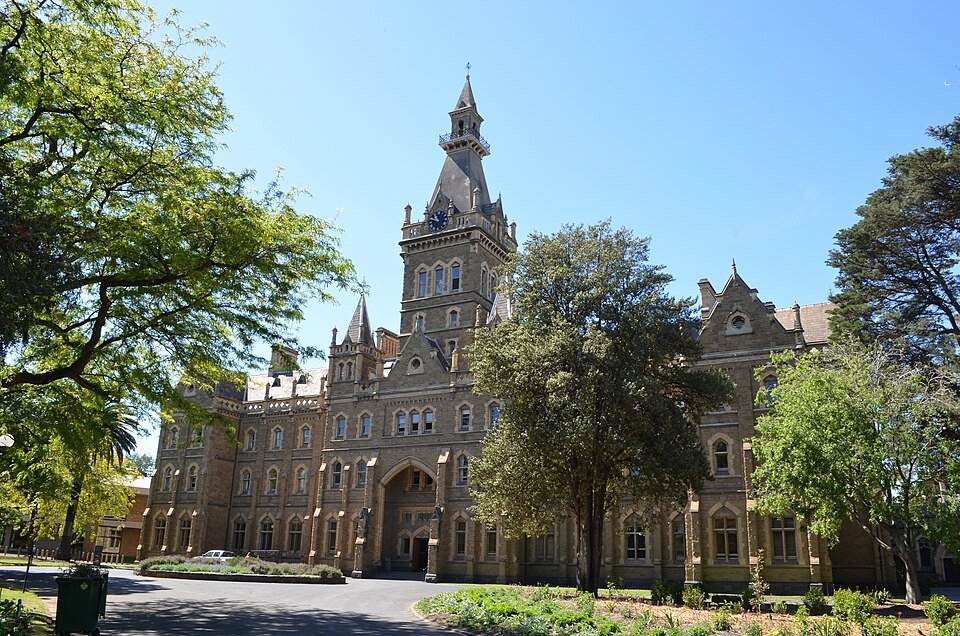
The University of Melbourne
Research-intensive
Melbourne, Victoria

The University of Melbourne

A leading Australian research university with broad undergraduate, postgraduate and research options.

Official university website ↗
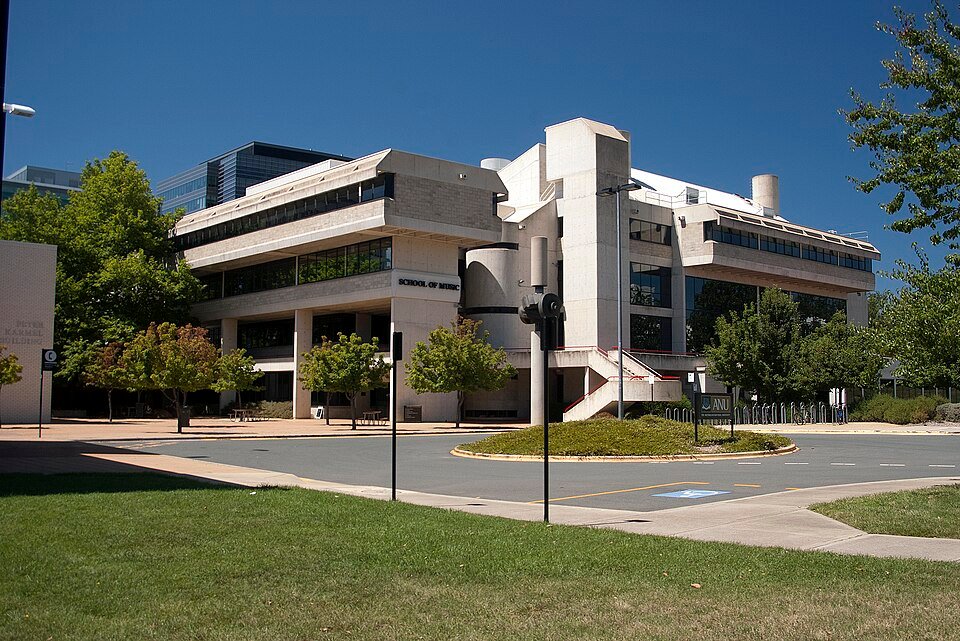
Australian National University
Research-intensive
Canberra, ACT

Australian National University

Australia's national university, known for research, policy, science and interdisciplinary study.

Official university website ↗
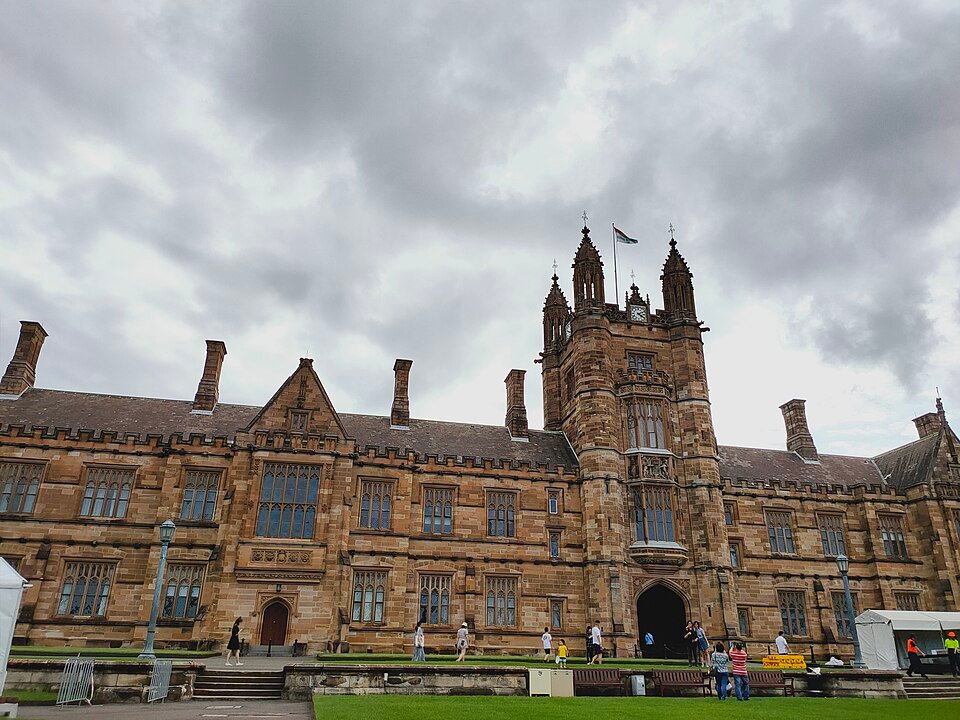
The University of Sydney
Go8
Sydney, New South Wales

The University of Sydney

A major comprehensive university offering a wide range of professional, academic and research pathways.

Official university website ↗
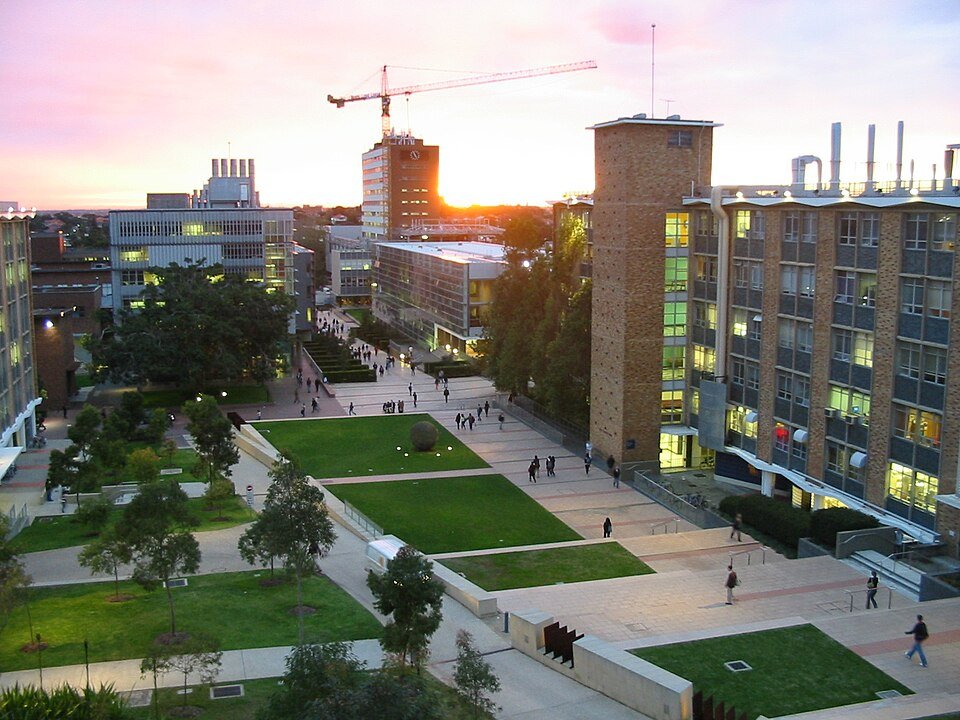
UNSW Sydney
Technology & research
Sydney, New South Wales

UNSW Sydney

Strong options across engineering, technology, business, science, medicine and other disciplines.

Official university website ↗
Monash University
Global campus network
Melbourne, Victoria

Monash University

A large research university with a broad portfolio of undergraduate and postgraduate programmes.

Official university website ↗
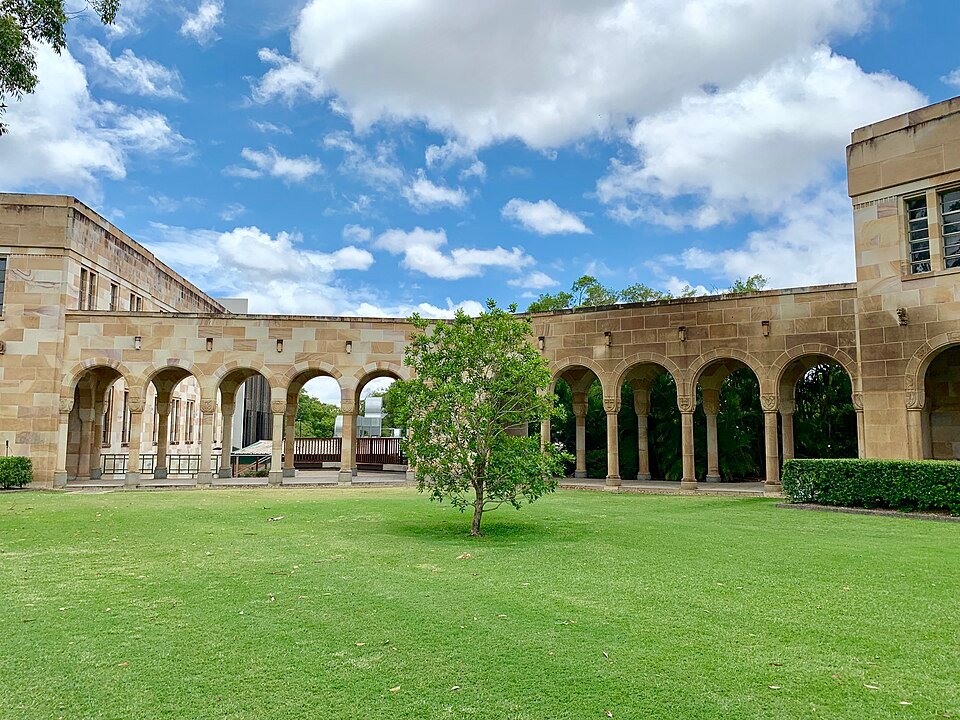
The University of Queensland
Go8
Brisbane, Queensland

The University of Queensland

A research-intensive university with strong study options across science, business, health and more.

Official university website ↗
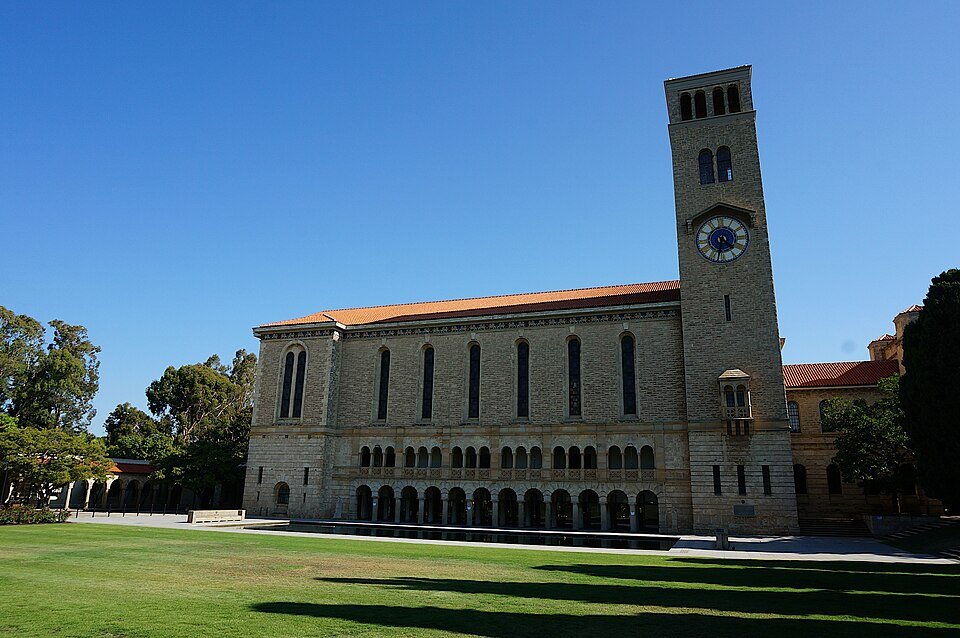
The University of Western Australia
Go8
Perth, Western Australia

The University of Western Australia

A leading university in Perth with strong research, professional and international study pathways.

Official university website ↗
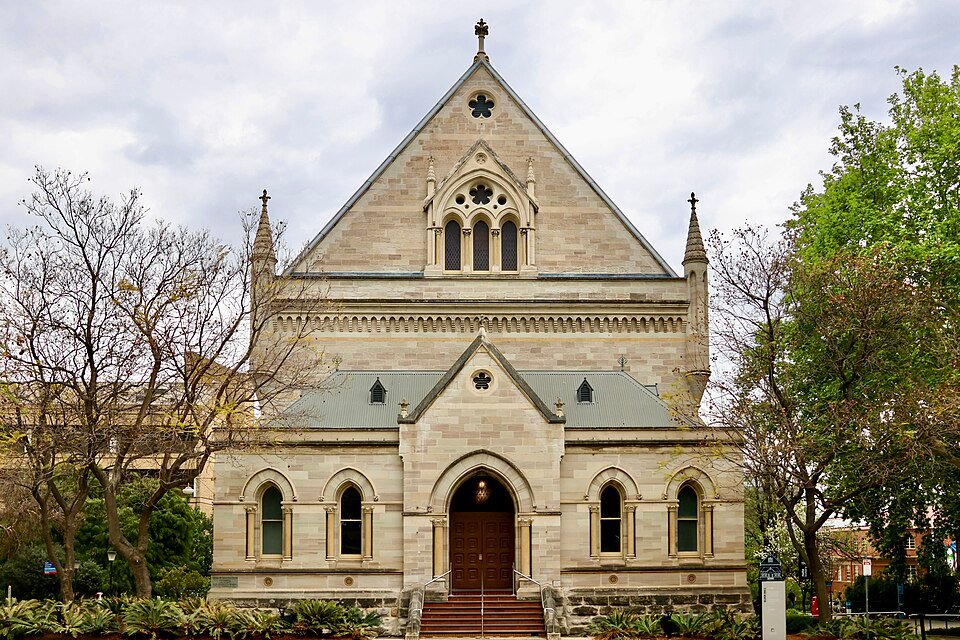
Adelaide University
Go8
Adelaide, South Australia

Adelaide University

The new Adelaide University, part of Australia's research-intensive Group of Eight.

Official university website ↗

Go8

Australia's research-intensive group.

The Group of Eight comprises Adelaide University, ANU, Melbourne, Monash, UNSW Sydney, Queensland, Sydney and Western Australia. Membership does not automatically mean a course is right for every applicant.

View Go8

Our process

Everything starts with the right preparation.

A clean application is not just a collection of documents. It is a sequence: profile → course → provider → offer → CoE → visa → arrival.

01

Profile assessment

We review academics, subject background, English profile, budget, preferred cities and long-term study objectives.

02

Course & university strategy

Shortlist realistic courses instead of choosing universities only by ranking. We balance eligibility, outcomes, location and budget.

03

Application preparation

Documents, academic records, CV where relevant, statement materials and provider-specific requirements are checked before submission.

04

Offer management

We help track offers, conditions, acceptance steps, deposits and the transition towards Confirmation of Enrolment.

05

CoE & visa readiness

Once the enrolment pathway is ready, we prepare the Student visa file around the current Department of Home Affairs requirements.

06

Pre-departure

Travel planning, accommodation guidance, arrival preparation and document organisation complete the journey.

Student visa 500

The visa file follows the enrolment story.

A Student visa application is more than a financial file. Your course, provider, academic history, Genuine Student answers, English evidence, health cover and supporting documents must work together.

01

Confirmation of Enrolment

You generally need a CoE from your Australian education provider before lodging the Student visa application.

02

Genuine Student

The GS requirement assesses whether you are a genuine student and whether studying in Australia is the primary reason for your application.

03

Financial capacity

Where financial evidence is required, you need access to funds for travel, tuition and living costs, with additional amounts for accompanying family and school-age children where applicable.

04

English evidence

Use an English test accepted for the relevant Australian visa and check the exact evidence rules for your circumstances.

05

OSHC

Maintain Overseas Student Health Cover for the required period of your stay.

06

Health & character

Complete any health examinations, police or character evidence and other checks requested for your application.

Genuine Student

Explain why Australia, why this course and why now.

The GS requirement applies to Student visa applications lodged on or after 23 March 2024. The assessment focuses on genuine study intention and the circumstances behind the proposed study.

Current circumstances

Family, community, employment and economic circumstances can be relevant to the assessment.

Why this course

Explain why the selected course and provider make sense for your educational and professional direction.

Why Australia

Show that you understand the course, study environment and living context rather than relying on generic statements.

Future benefit

Explain how completing the course is expected to benefit you, including relevant career outcomes.

Important

GS answers should be truthful, specific and consistent with your documents. There is no safe formula that guarantees approval.

2026 planning figure

AUD 29,710

Current 12-month living-cost figure for the primary student in the Department of Home Affairs Student visa financial-capacity calculation.

Visa charge

AUD 2,500

Standard Student visa application charge from 1 July 2026, subject to applicable concessions or exemptions.

Work rights

48 hrs

Maximum work during a fortnight while the course is in session for most Student visa holders. Check your individual visa conditions.

Financial capacity is not just a bank balance.

Where evidence is requested, the Department can require proof of genuine access to the money. Supporting evidence can include transaction history, source of funds, sponsor relationship and evidence of financial support.

✓ 12 months living costs
✓ First 12 months of course fees
✓ Travel costs
✓ Family member costs where applicable
✓ School costs for school-age dependants where applicable

OSHC should be planned before the visa.

Overseas Student Health Cover is a core part of Student visa planning. Your visa stay period also takes the OSHC end date into account, so coverage dates should be checked carefully before purchase.

Planning tip: compare the coverage period with your course dates and the visa stay period rather than buying insurance based only on the first semester.

English

Separate university English requirements from visa English rules.

Australia's education providers set course-level English requirements, while the Department of Home Affairs has its own visa evidence rules. The accepted tests and evidence rules have changed in recent years.

IELTS

IELTS Academic and General Training are among the tests accepted for Australian visa purposes when taken under the required conditions.

PTE Academic

PTE Academic is an accepted visa test when it meets the Department's test and validity rules.

TOEFL iBT

TOEFL iBT can be accepted for Australian visa purposes when registered under the Australia pathway specified by the Department.

Other tests

Cambridge C1 Advanced, CELPIP General, LANGUAGECERT Academic, MET and OET are also listed for relevant visa evidence.

Tests must meet the Department's secure-test-centre and validity requirements. Remote/ at-home versions that are not accepted for Australian visa purposes should not be used as visa evidence.

Application control

Check every document before submission.

The best time to find a mismatch is before the application is lodged — not after a provider or visa officer asks for clarification.

Identity

Passport details, names, dates and personal information must be consistent.

Academics

Marksheets, certificates, transcripts, grading information and any required translations.

Offer

Letter of Offer, conditions, acceptance records and deposit evidence where applicable.

CoE

Confirm the course, provider, dates and student details on the Confirmation of Enrolment.

Financial evidence

Check source, access, amount and supporting history when evidence is required.

GS answers

Keep the answers personal, concise, evidence-based and consistent with the full file.

English

Use the correct test, score evidence and validity period for the intended visa.

OSHC

Ensure health-cover dates are appropriate for the intended visa stay.

Health / character

Complete requested medical, police or other checks within the required process.

After graduation

Understand the pathway before you choose the course.

Eligible graduates may be able to apply for a Temporary Graduate visa subclass 485. Eligibility, stream, age, qualification and other requirements must be checked at the time of application.

Post-Higher Education Work

For eligible graduates with a recent degree from an Australian institution. The stay is usually between 2 and 3 years depending on qualification and circumstances.

Post-Vocational Education Work

For eligible graduates with an associate degree, diploma or trade qualification relevant to an occupation Australia needs.

Age

The standard maximum age is 35 or under at application, with exceptions including certain research degree graduates and eligible Hong Kong/BNO passport holders.

Regional options

Eligible graduates may have access to a second Post-Higher Education Work stream visa if the specific regional study, residence and other requirements are met.

Common mistakes

Avoid the mistakes that make a good profile look weaker.

Australian applications are strongest when the course choice, academic history, financial story and GS explanation point in the same direction.

×Choosing a course only because it is cheaper
×Ignoring subject prerequisites
×Using generic GS statements
×Unexplained academic gaps
×Weak source-of-funds explanation
×Mismatch between course and career plan
×Rushing the CoE / visa stage
×Ignoring provider-specific conditions

Quality-control checklist

Before you submit, ask these questions.

Use this as the final internal review before an application moves from draft to submission.

1Does the selected course match the student's previous study and career direction?
2Have all course-specific prerequisites been checked?
3Are names and dates identical across passport and academic documents?
4Are academic documents complete and readable?
5Are translations prepared where required?
6Is the source of funds explainable if financial evidence is requested?
7Are GS answers personal and consistent with the file?
8Is the English evidence valid for the intended visa?
9Is OSHC arranged for the appropriate period?
10Are provider offer conditions fully understood?
11Is the CoE correct before the visa application is lodged?
12Have all current Department of Home Affairs requirements been rechecked?

Official sources

Always verify the final rules.

Visa rules, fees and evidence requirements can change. The official sources below should be the final reference when an application is ready to lodge.

Australia packages

Choose the support you actually need.

Transparent Australia-focused assistance with no unnecessary package stacking. Third-party charges remain separate unless explicitly stated.

Admission

University Admission

₹59,000

incl. applicable taxes

₹0 advance
Pay after receiving the offer letter.
✓Profile and course assessment
✓University / course shortlisting
✓Application preparation
✓Document coordination
✓Application submission support
✓Offer-stage guidance
✓CoE transition guidance

University application fees, deposits, courier, English tests and other third-party/student-side charges are not included.

Visa

Student Visa

₹35,000

incl. applicable taxes

₹0 advance
Pay after visa approval.
✓Student visa document checklist
✓Genuine Student preparation
✓Financial evidence guidance
✓English evidence check
✓OSHC / health planning
✓Application-form support
✓Submission-readiness review

Government visa charges, OSHC, medicals, biometrics where applicable and other third-party/student-side costs are separate.

1:1

General

General Consultation

Not sure which course, university, city or pathway is right? Start with a one-to-one Australia consultation before choosing a package.

✓Academic profile discussion
✓Course-level guidance
✓University direction
✓Budget discussion
✓Visa-route overview
✓Next-step roadmap

FAQs

Australia questions students ask before applying.

These are planning-level answers. Provider and visa requirements should always be checked for the specific applicant and course.

Q1Can Indian students study in Australia after Class 12?+

Yes. Australian higher-education providers assess Indian Class 12 qualifications against their own entry requirements. Some students may qualify for direct undergraduate entry while others may be directed to a foundation or pathway programme.

Q2Do I need IELTS for Australia?+

Not necessarily in every case. The university or college has its own English admission rules, while the Department of Home Affairs has separate visa English evidence rules and exemptions. Always check both.

Q3What is the Australian Student visa?+

The main visa for international students is Student visa subclass 500. You generally apply after receiving the required enrolment evidence from your education provider.

Q4What is the Genuine Student requirement?+

The GS requirement focuses on whether you genuinely intend to study in Australia and understand why the selected course and provider make sense for your circumstances.

Q5How much money is required for an Australian Student visa?+

The current Department of Home Affairs figure for 12 months of student living costs is AUD 29,710. You may also need to demonstrate tuition, travel and applicable family or school costs.

Q6How much is the Australian Student visa fee?+

From 1 July 2026, the Student visa application charge is AUD 2,500 for the standard primary applicant, subject to applicable concessions or exemptions.

Q7How many hours can an international student work?+

A Student visa holder generally cannot work more than 48 hours per fortnight while the course is in session. Work can generally be unlimited when the course is not in session, subject to visa conditions.

Q8Can a student work more than 48 hours per fortnight?+

There are specific exceptions, including where a Student visa is granted for a Master’s by Research or doctoral degree after that course has started, and for mandatory course-related work meeting the rules.

Q9What is OSHC?+

Overseas Student Health Cover is the health insurance required for most international students for the period required by the Student visa. The provider and policy terms should be checked before purchase.

Q10What is a CoE?+

A Confirmation of Enrolment is the official enrolment evidence issued by the Australian education provider after the student accepts the offer and completes the required enrolment steps.

Q11Can I take a packaged course pathway?+

Australia allows packaged courses in appropriate circumstances. The visa application may require CoEs for each course, and course progression and gap rules must be satisfied.

Q12Can I stay in Australia after graduation?+

Eligible graduates may have access to the Temporary Graduate visa subclass 485. The relevant stream, age, qualification and other criteria must be checked at the time of application.

Ready when you are

Let's build your Australia study plan properly.

Start with your profile, then choose the right university admission or visa support route.