
Study in Canada
with the right plan.
Explore Bachelor’s, Master’s and PhD routes, Canadian universities, programme selection, admission planning and the study permit process — all in one practical Canada study guide.
Everything starts with the right programme.
Canadian admission and immigration rules are institution- and programme-specific. The right plan starts with your academic profile, budget, target intake and intended field.
Choose the route that fits your academic profile.
Bachelor’s, Master’s and PhD applications are assessed differently. Use the route selector below to understand the key planning points.
Bachelor’s
For students entering university after Class XII. Canadian universities and programmes set their own academic, subject and language requirements.
Academic fit
Choose a programme that genuinely matches your previous education and intended career direction.
Financial fit
Compare tuition, living costs, housing and available funding before accepting an offer.
Immigration fit
Check the DLI, PAL/TAL rules, funds and current study permit requirements before filing.
Explore leading Canadian universities.
Canada has public universities and other designated learning institutions. Always verify the exact programme, campus and current immigration eligibility before applying.
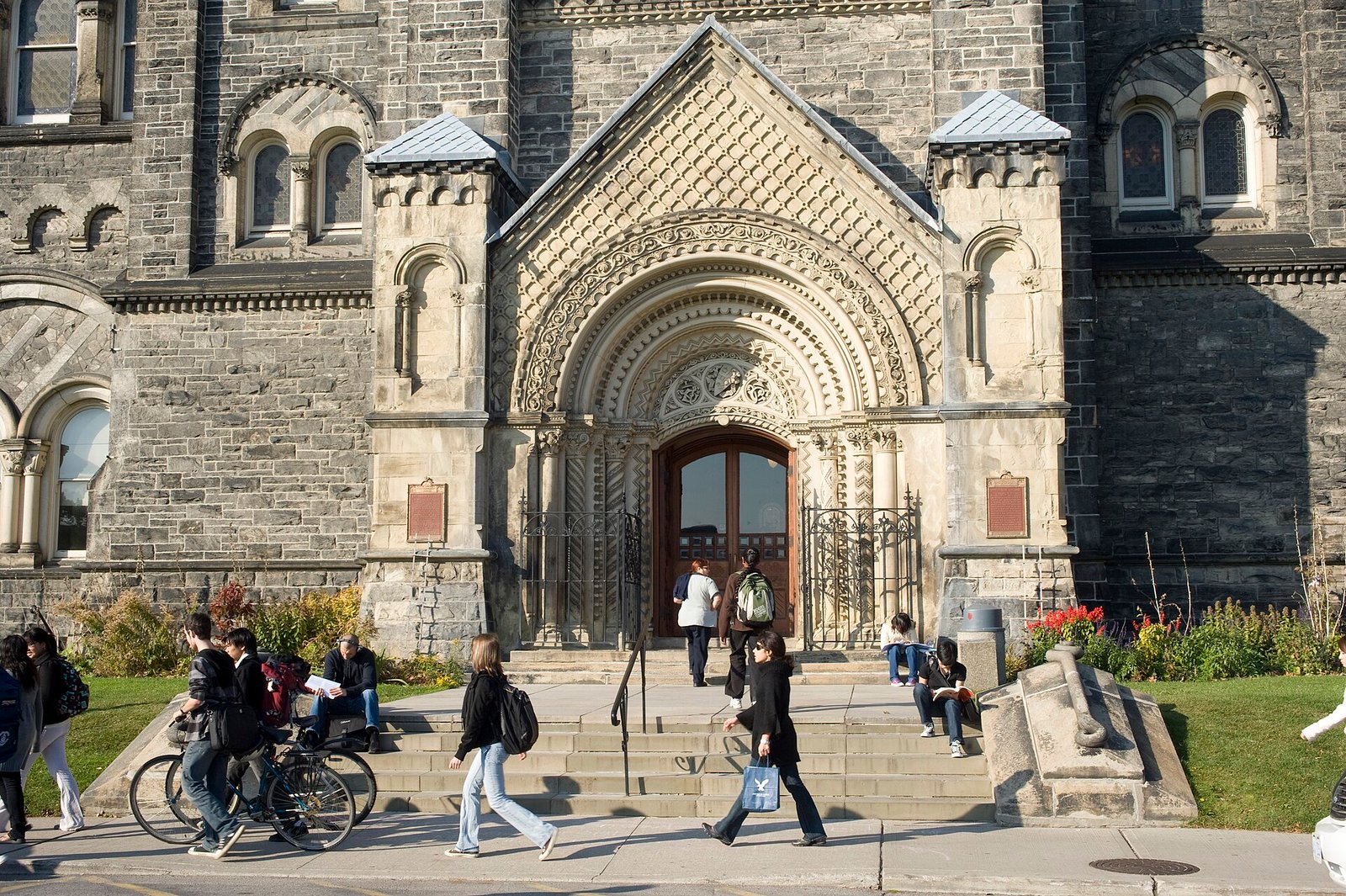
University of Toronto
A major research university with a broad range of undergraduate and graduate programmes.
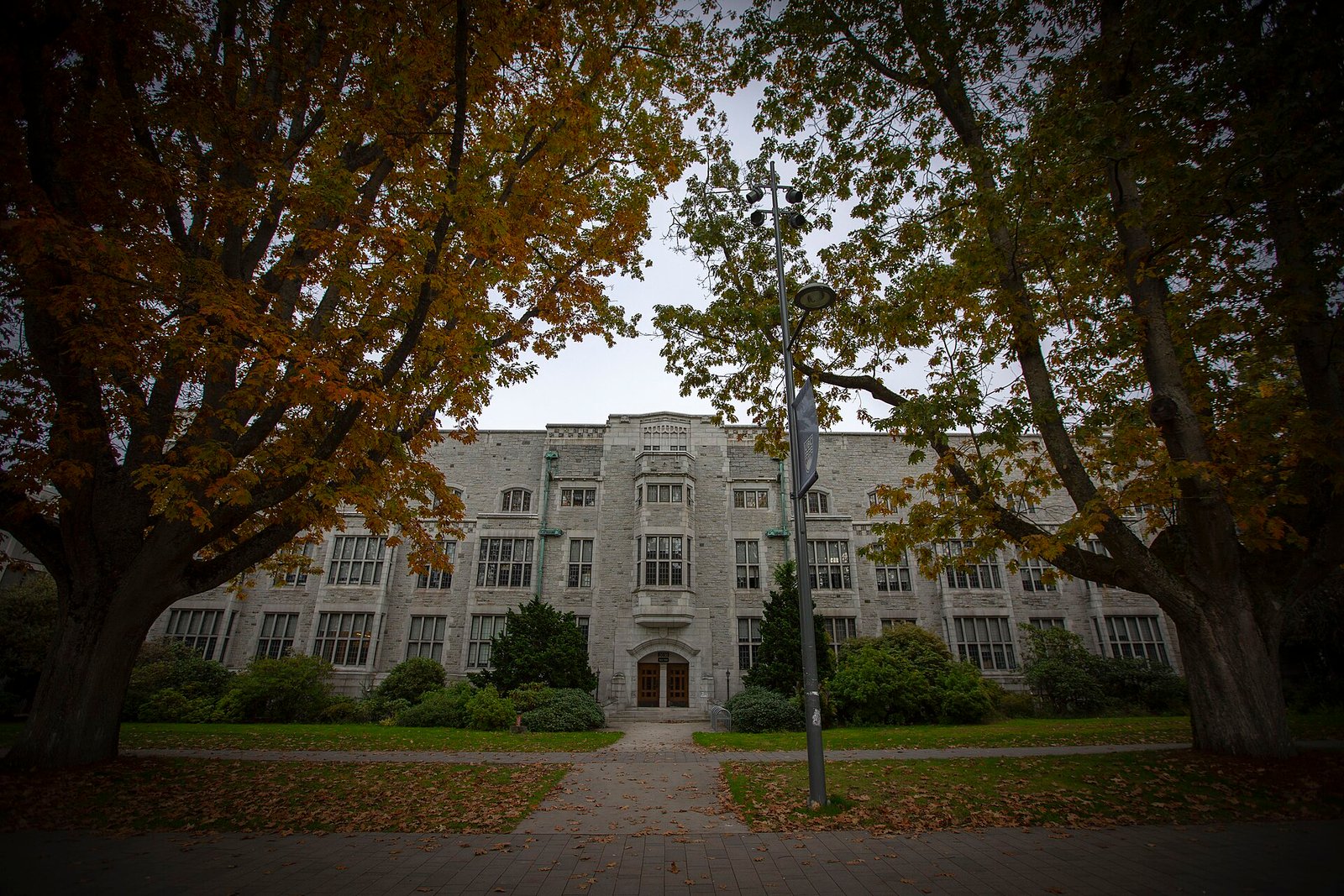
University of British Columbia
A globally recognised public research university with campuses in British Columbia.
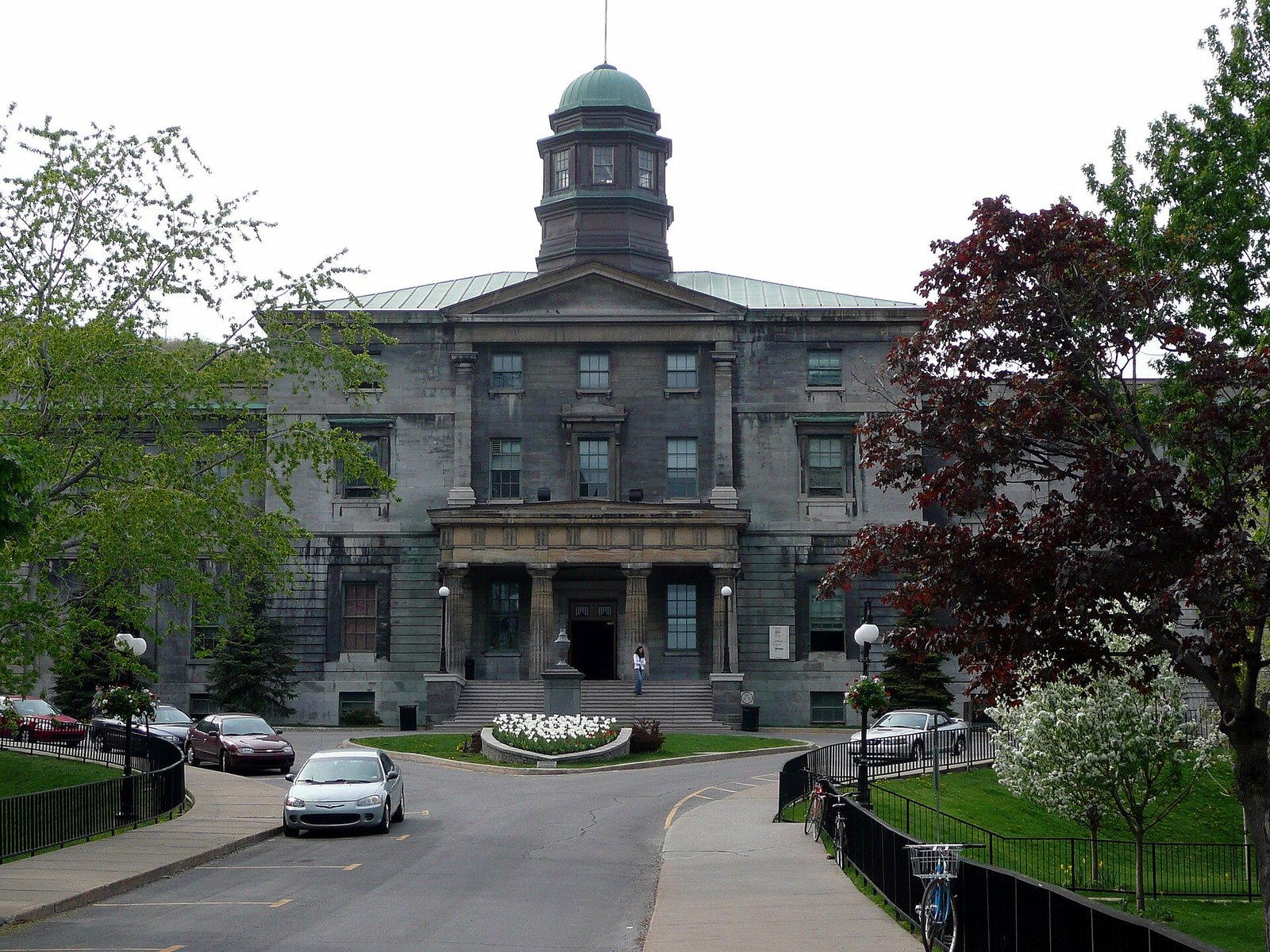
McGill University
A research-intensive university in Montreal with strong undergraduate and graduate offerings.
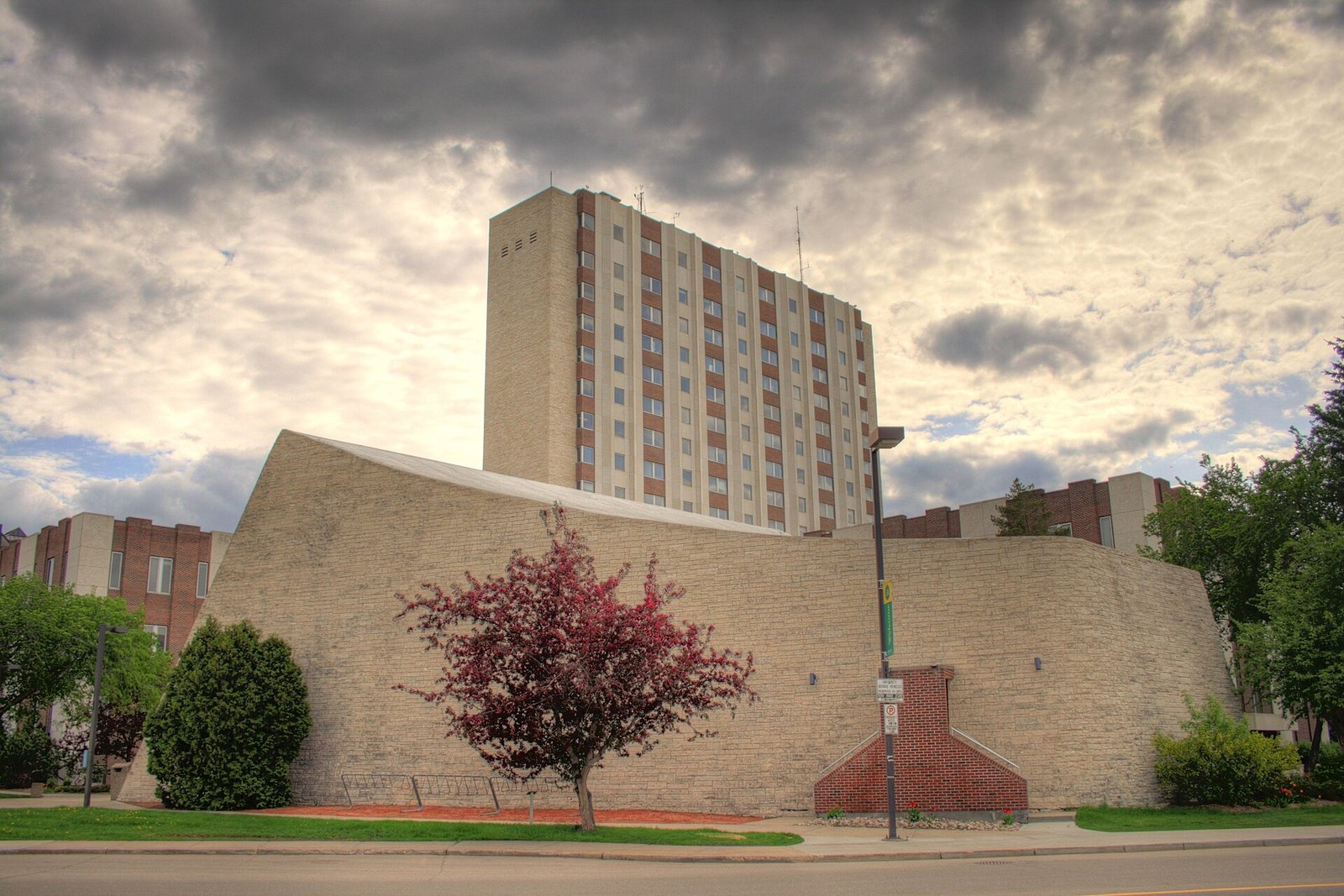
University of Alberta
A major Canadian research university with programmes across sciences, engineering, business and more.
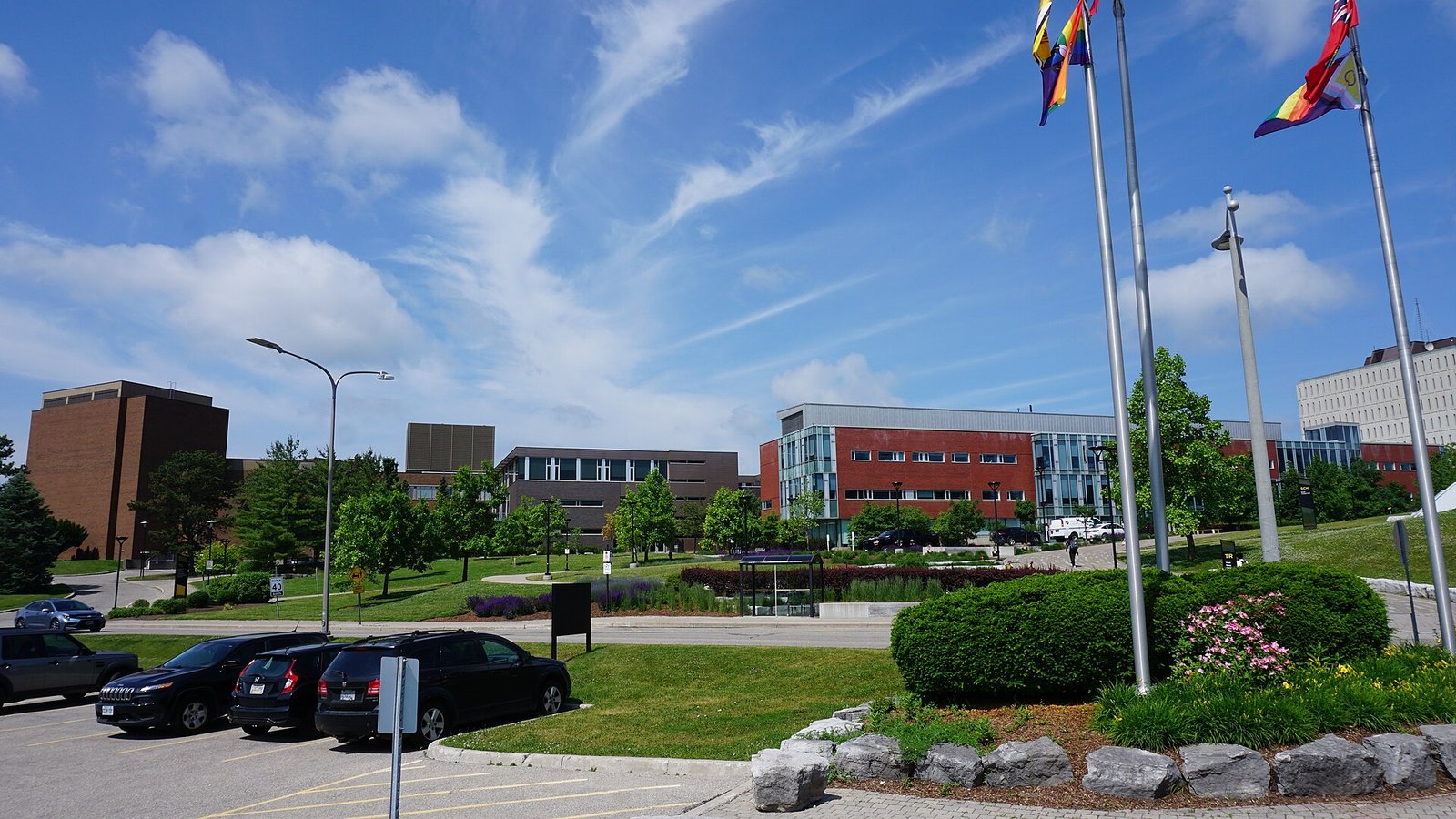
University of Waterloo
Known for strong technology, engineering, mathematics and co-operative education opportunities.
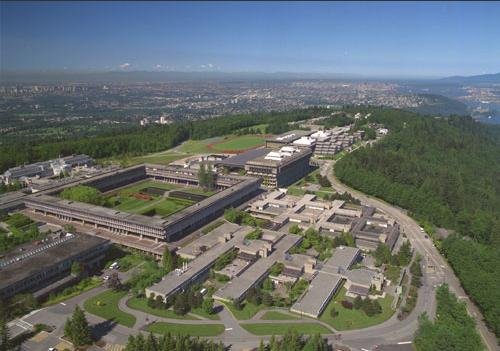
Simon Fraser University
A public research university with campuses across the Metro Vancouver region.
Always verify the exact school and programme.
The Government of Canada maintains the current Designated Learning Institution list, including institutions and programmes that may be eligible for post-graduation work permit purposes.
From profile to study permit.
The process is easier when admission planning and immigration planning are treated as one connected journey.
Profile Evaluation
Review academics, intended field, budget, preferred province and target intake.
Programme Shortlisting
Compare universities, programmes, prerequisites, tuition, deadlines and DLI status.
Application Preparation
Prepare academic documents, language evidence, statements and programme-specific materials.
University Application
Submit the application correctly and track requests, decisions and offer conditions.
LOA & Acceptance
Receive the Letter of Acceptance and complete the university steps required before the permit stage.
PAL/TAL or Exemption
Obtain the applicable attestation or confirm the current exemption for the student’s programme.
Study Permit File
Prepare funds, identity documents, explanations, biometrics and other IRCC requirements.
Travel Preparation
After approval, prepare for arrival, enrolment and compliance with study permit conditions.
Build the file around the actual requirements.
The final checklist depends on the applicant, programme, province and current IRCC instructions. These are the major areas to plan for.
This amount is for living expenses and does not include tuition or transportation. The amount is updated periodically, so the applicable figure should always be checked for the application date.
Funds should be genuine, traceable and sufficient for the costs IRCC assesses. Applicants should also explain how the full programme will be financed when the course is longer than one year.
Know the rules before you arrive.
Working while studying can help with experience and expenses, but your primary purpose must remain your studies and you must follow your permit conditions.
Eligible off-campus students can work up to 24 hours per week during regular academic sessions.
Eligible students may work unlimited hours during scheduled breaks while meeting the applicable conditions.
Eligible graduates may qualify for a post-graduation work permit under the rules applicable to their programme and application.
Not every student follows the same attestation route.
The current 2026 rules include important exemptions for eligible Master’s and doctoral students at public DLIs. Quebec has separate provincial requirements, so the student’s province and programme must be checked before filing.
PAL / TAL may apply
Many applicants need a provincial or territorial attestation before the federal study permit application can be completed.
Eligible public Master’s / PhD
Eligible degree-granting Master’s and doctoral students at public DLIs do not need a PAL/TAL for study permit applications from January 1, 2026.
Separate provincial process
Quebec has its own requirements, including the CAQ process where applicable. Do not treat Quebec exactly like the other provinces.
Clear fees. No upfront pressure.
Our Canada service packages use the same transparent fee structure agreed for the country. Third-party university, government and application charges are separate.
- ✓ Profile and programme guidance
- ✓ University and application assistance
- ✓ Application / document coordination
- ✓ Offer-letter support
- ✓ Third-party university charges are separate
- ✓ Government and visa charges are separate
- ✓ Study permit documentation guidance
- ✓ Application file preparation
- ✓ Supporting-document coordination
- ✓ Submission-stage assistance
- ✓ Government and biometrics charges are separate
- ✓ Medical and other third-party charges are separate
Need help choosing your Canada route?
Speak with our team about programmes, universities and the next steps for your profile.
Questions students usually ask.
Immigration rules can change. Use these as a planning guide and verify the applicable IRCC and university requirements before submission.
Let’s build your Canada plan.
Get your profile reviewed before choosing a programme, university or intake.
Book Canada Consultation →